Suzanne Barry is an educator, curriculum specialist, and researcher based on the Fleurieu Peninsula in South Australia. She works across secondary schooling, tertiary education, and teacher professional learning, with a strong focus on curriculum design, assessment practice, feedback, and academic literacy.
Suzanne has taught in various schools and universities in Australia and Europe, and has held curriculum and assessment advisory roles supporting teachers to design meaningful, curriculum-aligned learning programs.
She is currently completing a PhD in language teacher education, researching how emerging teachers develop professional identity, intercultural capability, and classroom practice in Australian schools.
Alongside her academic work, Suzanne is passionate about place-based education, community learning, and supporting young people and adults to build confidence as learners. Her work combines research expertise with practical experience inside various school and university classrooms, as well as training in professional contexts and natural learning in the village.
Please scroll down to see what she gets up to!

Harbor Education Collective: Tutoring, Curriculum, & Learning Innovation.
Connect with us on Facebook.
Research
Suzanne Barry’s research interests include language, culture, curriculum and assessment, with an emphasis on socially responsible linguistics and pedagogies that contribute to democratising education.
Her doctoral research explores emerging language teachers’ professional becoming in Australia’s monolingual and postcolonial context, using narrative inquiry and hermeneutic phenomenology. Her 2025 article in Babel, “Reimagining support for emerging language teachers: KARDS as a framework for professional becoming,” introduces the implications of this work for supporting emerging language teachers.
Her recent work in bilingual education brings together her interests in transcultural pedagogies, expertise in authentic assessment, and experience contextualising prescribed curriculum to connect with Place and Culture. Collaborating with Aṉangu Educators and community knowledge holders, she has worked to build strong connections between learning on Country, first-language knowledge and authentic disciplinary learning, sharing insights from this work through professional networks and publications.
A further area of her research examines generative AI’s potential to support learning. In a chapter co-authored with Craig Johnston for Routledge’s Using Rubrics as Feedback Mechanisms for Doctoral Supervisors and Researchers (2026), she explores the use of a formative feedback rubric to scaffold and guide AI responses for doctoral candidates.
Creating an education collective...always
- In Queensland, Suzanne operated a consultancy called Cactus Education Collective, offering curriculum planning and assessment support for authentic, aligned practice.
- Working with an arts-based teacher and practitioner, Alieta Belle, Cactus developed beautifully aligned, but delightfully contextualised curriculum concepts for schools and for other teachers, which they presented in various forums to share their work. Alieta is busy being the best art therapist the world has ever seen, and Suzanne has moved very far south, so operations have diverged.
- Watch this space for a local Fleurieu-based collective as she settles into her new community and shifts the focus to the local home schooling community as well as school-based families.
- If you have read this far (I’m impressed and grateful!) and you would like to learn more, or you are local, get in touch!!!
- You can find me here on Facebook
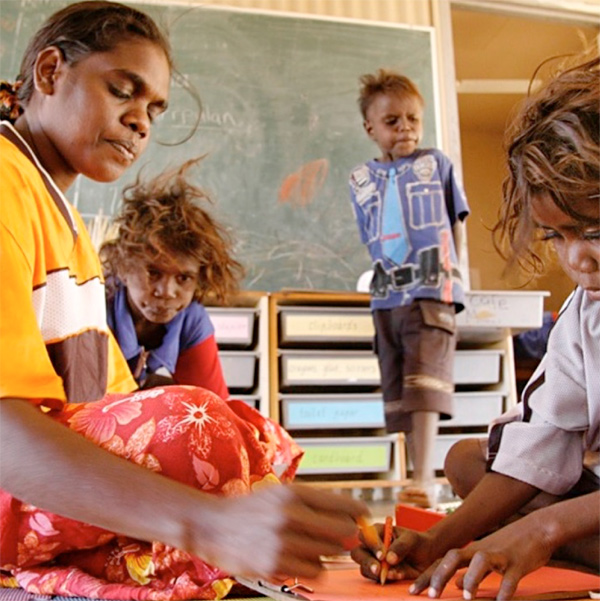
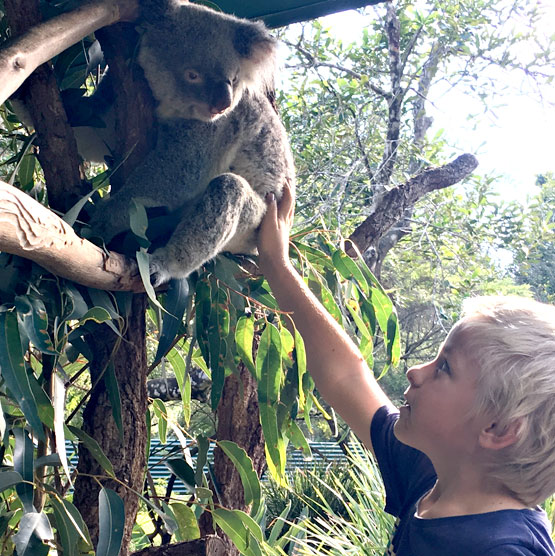
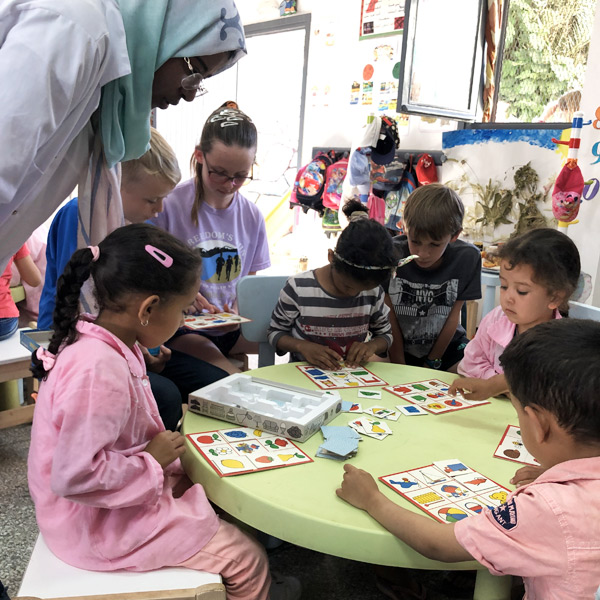
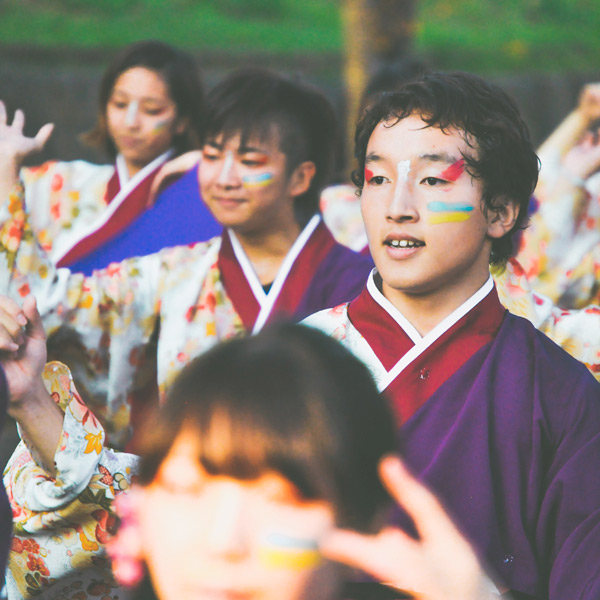
The image by Rusty Stewart (above far left) is used under creative commons licence and appeared on The Conversation.